
Our Mission
To enrich the human experience through intelligent, accessible technology—built for all.
Our Vision
To augment human potential through biologically inspired innovation and autonomous systems.
Biologically inspired models mimic human vision to provide adaptive, efficient image processing—even in low-quality or blurred footage.
Popular Applications
- OCR (Optical Character Recognition)
- Object classification and sorting
- Disease detection in agriculture
- Autonomous driving vision
- Visual search & production monitoring
- Medical diagnostics and object counting
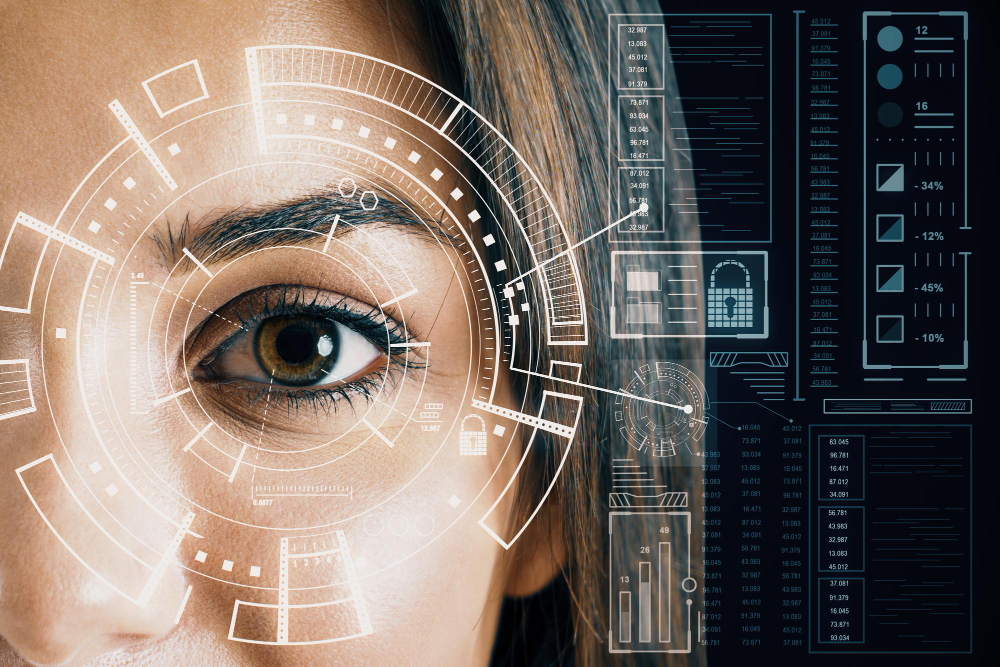
Our proprietary SmartEdge system enhances video content using edge-preserving upscaling, reducing bandwidth requirements while maximizing quality on large displays.
SmartEdge Benefits
- Watch HD content at low bitrates
- Enjoy 4K experience even with limited bandwidth
- Maximize value of large-screen displays
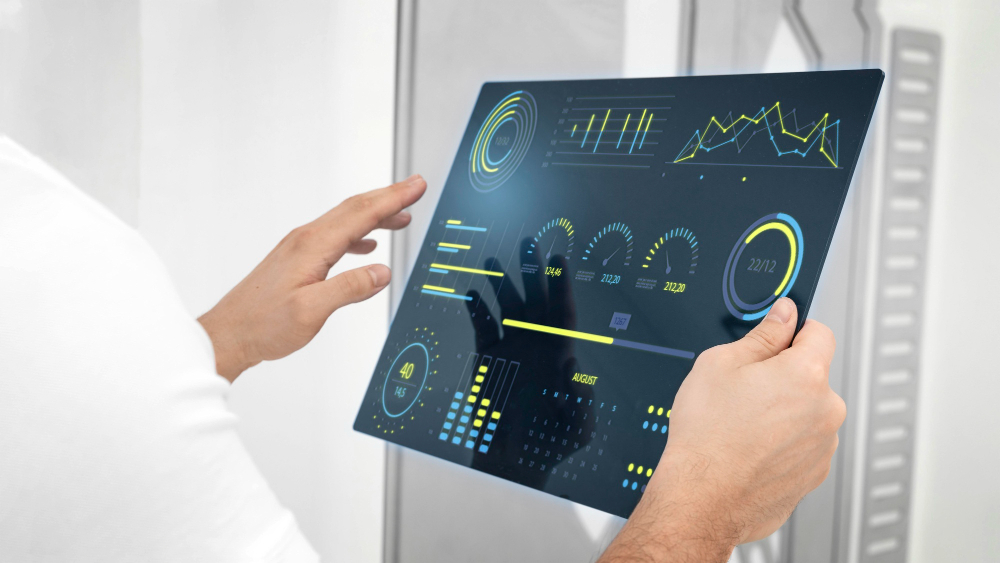
SmartEdge in Action – A Practical Use Case
As display technology evolves, screen sizes continue to grow—offering richer viewing experiences in 2K, 4K, and beyond. However, capturing and storing high-resolution footage requires significant storage capacity. For example, a 2.5-hour video in 4K can consume up to 20GB of space, which poses efficiency issues for both camera systems and content streaming.
The SmartEdge solution solves this by upscaling lower-resolution content into higher resolutions without sacrificing image quality. Leveraging our proprietary edgehance algorithm, SmartEdge preserves edge detail to reduce blur and maintain clarity—allowing users to enjoy crystal-clear, depth preserving visuals even on the largest displays.
Whether you’re storing data, streaming content, or replaying footage, SmartEdge ensures you get the most out of your screen—efficiently and effectively.
Development Process
- Identify the visual problem
- Define the visual solution
- Design the CV software/hardware
- Test & validate
- Implementation & training
- Continuous support
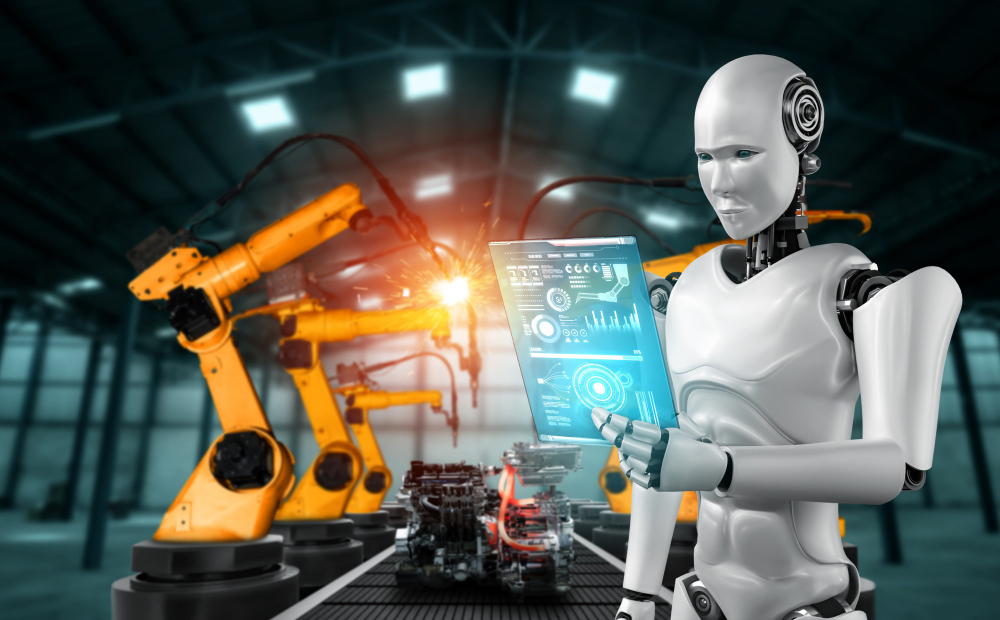
Biologically inspired models mimic human vision to provide adaptive, efficient image processing—even in low-quality or blurred footage.
What Sets Us Apart
While many rely on conventional AI methods such as neural networks, we take a fundamentally different approach. Our systems are built from the ground up using models that replicate the human visual system at a cellular level. Inspired by neuroscience, our process begins with research into biological interactions, which we then transform into interpretable and testable computer programs.
This method ensures transparency, adaptability, and scalability—enabling us to develop reliable solutions for some of the world’s most complex technological challenges, such as achieving Level 5 vehicle autonomy. Our technology is not a black box; it’s a scientifically grounded system modelled after nature itself.
Mollorobotics was founded in 2019 by Shaun Sipumeze Mkhohliwe, a self-taught programmer and visionary with a lifelong dream of creating intelligent, human-augmenting robots. Growing up with limited resources, Shaun pursued knowledge relentlessly—eventually teaching himself Python and C++ as part of his journey to develop real-world solutions.
Later in 2019, Shaun met Lebogang Sehlapelo, an equally driven technology enthusiast. Together, they laid the foundation of Mollorobotics, transforming years of research into working software prototypes and, now, scalable tech products.
Although the original bio-inspired model dates back to 2008, it has evolved over more than a decade into systems capable of real-time tracking, vision processing, and motion prediction. The name Mollorobotics is derived from the Xhosa word “molo”, meaning “hello”—a symbol of the awakening of intelligent machines and the first steps toward truly autonomous human-robot interaction.
We look forward to the day a robot will independently respond, “Hello, world.”